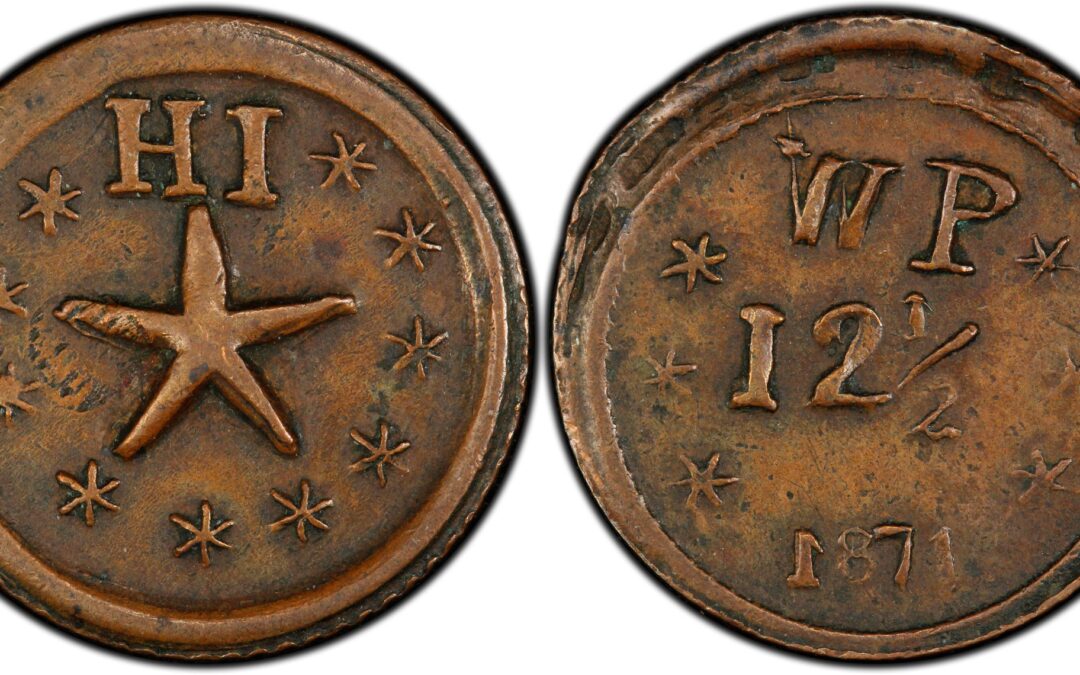
Hawaii plantation tokens are among the many most evocative and regionally distinctive types of American exonumia. Issued throughout the late nineteenth and early twentieth centuries, these privately made items inform the story of sugar, labor, and life within the islands lengthy earlier than Hawaii turned the fiftieth state. They weren’t cash within the conventional sense, but for tens of 1000’s of staff, they functioned as cash all the identical.
At the moment, these tokens are studied, cataloged, and graded by main numismatic authorities such because the Skilled Coin Grading Service, and so they stay extremely collectible for the depth of historical past they carry.
The Rise of the Plantation Financial system
Sugar plantations dominated Hawaii’s financial system from the mid-1800s by means of the early 1900s. Giant estates required huge labor forces, drawing staff from China, Japan, Portugal, the Philippines, and different elements of the world. Plantations have been typically distant and self-contained, working virtually like small cities with company-owned housing, shops, faculties, and medical amenities.
Inside this closed system, plantation house owners wanted a approach to pay staff that additionally saved financial exercise below their management. Plantation tokens emerged as a sensible answer. Issued straight by plantation corporations, these tokens have been redeemable solely at firm shops or for providers on the property itself.
In contrast to United States coinage, plantation tokens weren’t authorized tender. Their worth existed solely by means of settlement between employer and employee, which made them highly effective devices inside the plantation financial system.
What Are Hawaii Plantation Tokens?
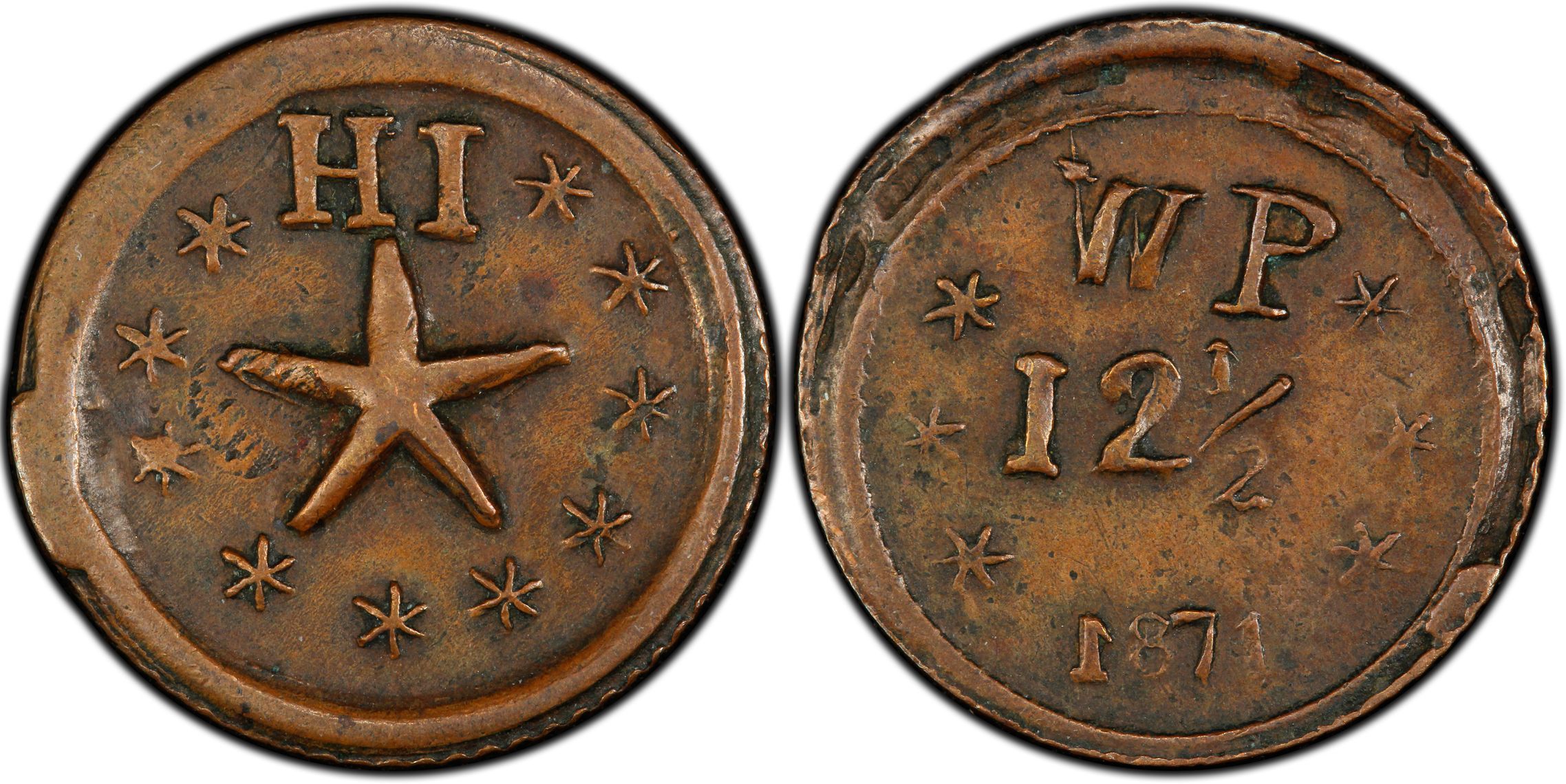
Hawaii plantation tokens have been sometimes struck in brass, copper, aluminum, or white metallic. They have been produced in a variety of denominations, most frequently expressed in cents or {dollars}, although some items have been marked solely with a quantity or worth indicator.
These tokens circulated regionally and generally alongside U.S. cash, however their use was restricted. A employee couldn’t take plantation tokens to a neighboring city or competing enterprise. Their usefulness ended on the plantation gate.
This limitation is strictly what makes them traditionally essential. Every token displays a managed labor system and a interval when financial freedom for staff was tightly managed by employers.
Varieties and Shapes
Probably the most fascinating elements of Hawaii plantation tokens is their sheer selection. In contrast to standardized federal coinage, plantation points have been extremely particular person.
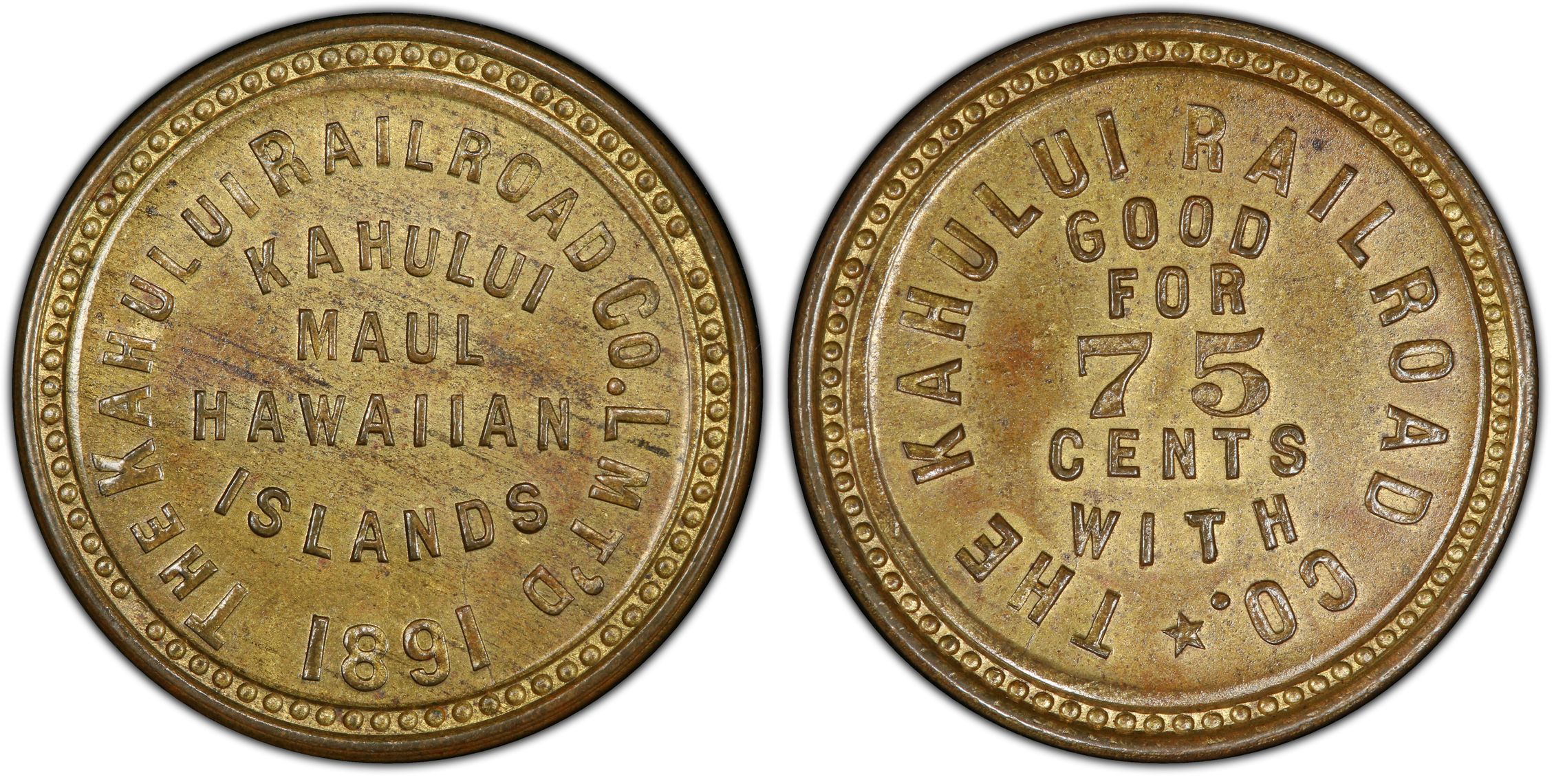
Spherical tokens are the most typical and carefully resemble conventional cash. These sometimes embrace the plantation identify, a denomination, and generally wording reminiscent of “Good For” or “Payable At.”
Holed tokens are additionally regularly encountered. The central gap served a sensible function, permitting staff to string tokens collectively or safe them to clothes, decreasing the prospect of loss throughout lengthy days within the fields.
Some plantations experimented with octagonal or irregular shapes. These made the tokens immediately recognizable and helped forestall confusion with official coinage.
Designs and Inscriptions
Designs on Hawaii plantation tokens are typically easy however deeply informative. As an alternative of nationwide symbols or inventive allegories, these tokens emphasize operate.
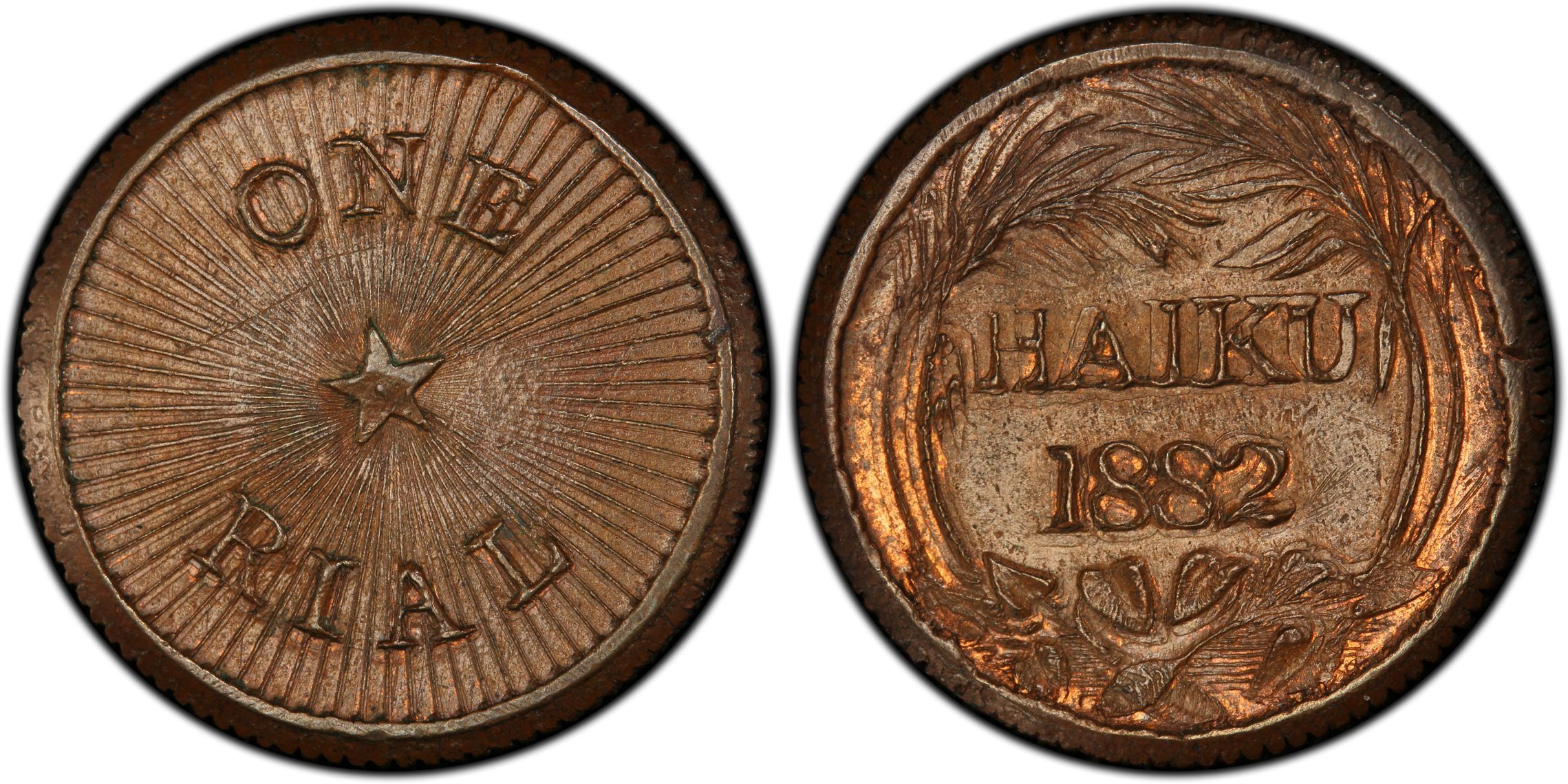
Most show the identify of the plantation, mill, or working firm. Some embrace Hawaiian place names or abbreviated titles, whereas others depend on English-language inscriptions reflecting the enterprise possession of the period.
Denominations are often easy, reminiscent of “5 Cents,” “10 Cents,” or “One Greenback.” Just a few tokens lack specific denominations, suggesting use inside a tally or credit score system moderately than direct wage fee.
In contrast to circulating cash, plantation tokens weren’t meant to encourage pleasure or patriotism. They have been instruments designed for fast recognition and unquestioned acceptance.
Manufacturing and Issuers
Many Hawaii plantation tokens have been struck by mainland producers, notably in California, the place industrial token makers have been properly established. Dies have been generally reused or modified, contributing to the broad stylistic variation seen at present.
As a result of these tokens have been privately issued, information are sometimes incomplete or nonexistent. Some plantations produced a number of token varieties over time, adjusting supplies or denominations as labor wants modified.
This lack of centralized documentation makes surviving examples particularly useful to historians and collectors. Every token helps reconstruct a fraction of plantation life that may in any other case be misplaced.
Life on the Plantation
To totally perceive plantation tokens, it’s important to know the world by which they circulated. Plantation shops bought meals, clothes, instruments, and family items, all priced in company-issued foreign money. For a lot of staff, wages paid in tokens created a closed financial loop tied on to the plantation.
Some plantations allowed partial fee in U.S. coinage, notably in later years, however others relied closely on tokens. This technique diminished money outflow for plantation house owners and ensured that financial exercise remained inside.
Considered by means of a contemporary lens, plantation tokens elevate tough questions on labor management and financial dependency. That complexity is a part of what makes them such compelling historic artifacts.
Gathering Hawaii Plantation Tokens At the moment
At the moment, Hawaii plantation tokens are collected as exonumia moderately than cash, but they occupy an essential place inside American numismatics. Graded examples assist set up authenticity, rarity, and situation, which is very essential given the crude manufacturing and heavy circulation many tokens skilled.
Collectors are drawn to those items not for treasured metallic content material, however for his or her direct connection to Hawaii’s plantation period. Every token represents a particular place, employer, and second in time.
Why These Tokens Matter
Hawaii plantation tokens are tangible proof of a transitional interval in Hawaiian historical past. They bridge the hole between the Kingdom of Hawaii, the plantation financial system, and eventual United States statehood.
Greater than easy fee devices, they’re social paperwork struck in metallic. Holding one is holding a bit of lived historical past formed by labor, migration, and trade.
Collector FAQ: Hawaii Plantation Tokens
What are Hawaii plantation tokens?
Hawaii plantation tokens are privately issued items of exonumia created by sugar plantations in Hawaii throughout the late nineteenth and early twentieth centuries. They have been used as a type of inside foreign money, redeemable solely at plantation-owned shops or for providers inside the plantation neighborhood.
Are Hawaii plantation tokens thought of cash?
No. Plantation tokens usually are not official cash or authorized tender. They’re categorized as exonumia, which means coin-like objects that aren’t issued by a authorities authority. Regardless of this, they’re broadly collected and studied inside the numismatic neighborhood.
Why do many Hawaii plantation tokens have holes?
The central holes served a sensible function. Employees may string the tokens collectively or connect them to clothes, decreasing the danger of loss whereas working within the fields. Holed designs additionally helped distinguish plantation tokens from circulating U.S. coinage.
What metals have been used to make plantation tokens?
Most Hawaii plantation tokens have been struck in base metals reminiscent of brass, copper, aluminum, or white metallic. Valuable metals weren’t used, because the tokens have been meant purely for native circulation and useful use.
How uncommon are Hawaii plantation tokens?
Rarity varies broadly relying on the plantation, denomination, and survival charge. Some varieties are comparatively accessible, whereas others are extraordinarily scarce with solely a handful of identified examples. In lots of instances, precise mintage figures are unknown.
Why are plantation tokens collectible at present?
Collectors worth Hawaii plantation tokens for his or her sturdy historic context. Each bit represents a particular plantation, workforce, and financial system, providing perception into every day life in plantation-era Hawaii. Their regional nature and selection additionally add to their enchantment.
Are Hawaii plantation tokens graded?
Sure. Many Hawaii plantation tokens are authenticated and graded by skilled providers. Grading helps verify authenticity and supplies a standardized evaluation of situation, which is very essential given the crude manufacture and heavy circulation these tokens typically skilled.
How ought to Hawaii plantation tokens be saved?
Like different numismatic gadgets, plantation tokens ought to be saved in a secure surroundings with low humidity and minimal temperature fluctuation. Protecting holders or archival-quality flips assist forestall additional put on or corrosion.
Do Hawaii plantation tokens have funding worth?
Whereas some plantation tokens can command sturdy costs because of rarity or situation, most collectors pursue them for historic and academic worth moderately than funding potential. Market worth is influenced by shortage, provenance, and total collector demand.